CA$50.00
0060957263
9780060957261
Publisher: Perennial (HarperCollins Publishers Inc.), New York (2005)
Edition: trade paperback edition
Condition: Like New
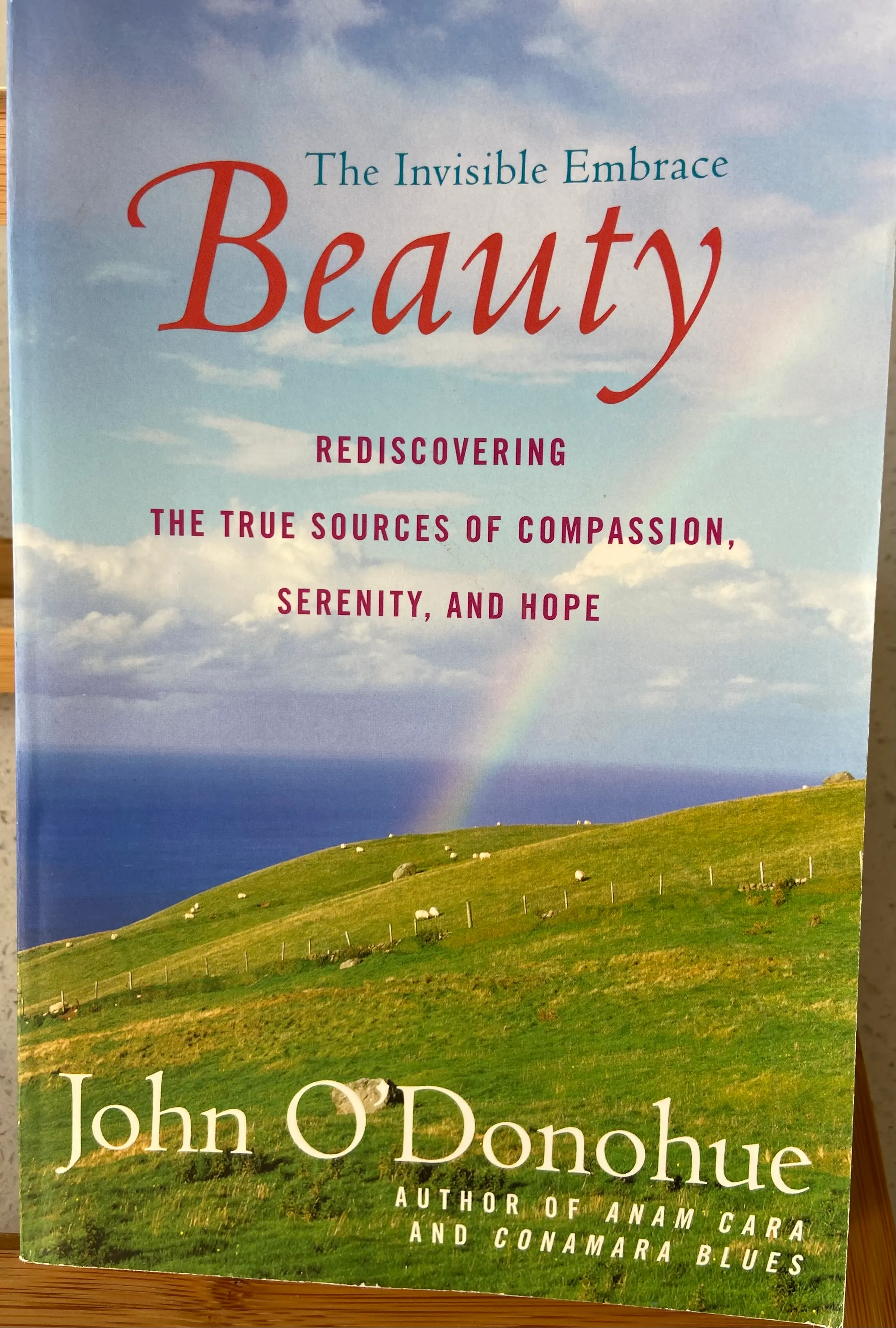
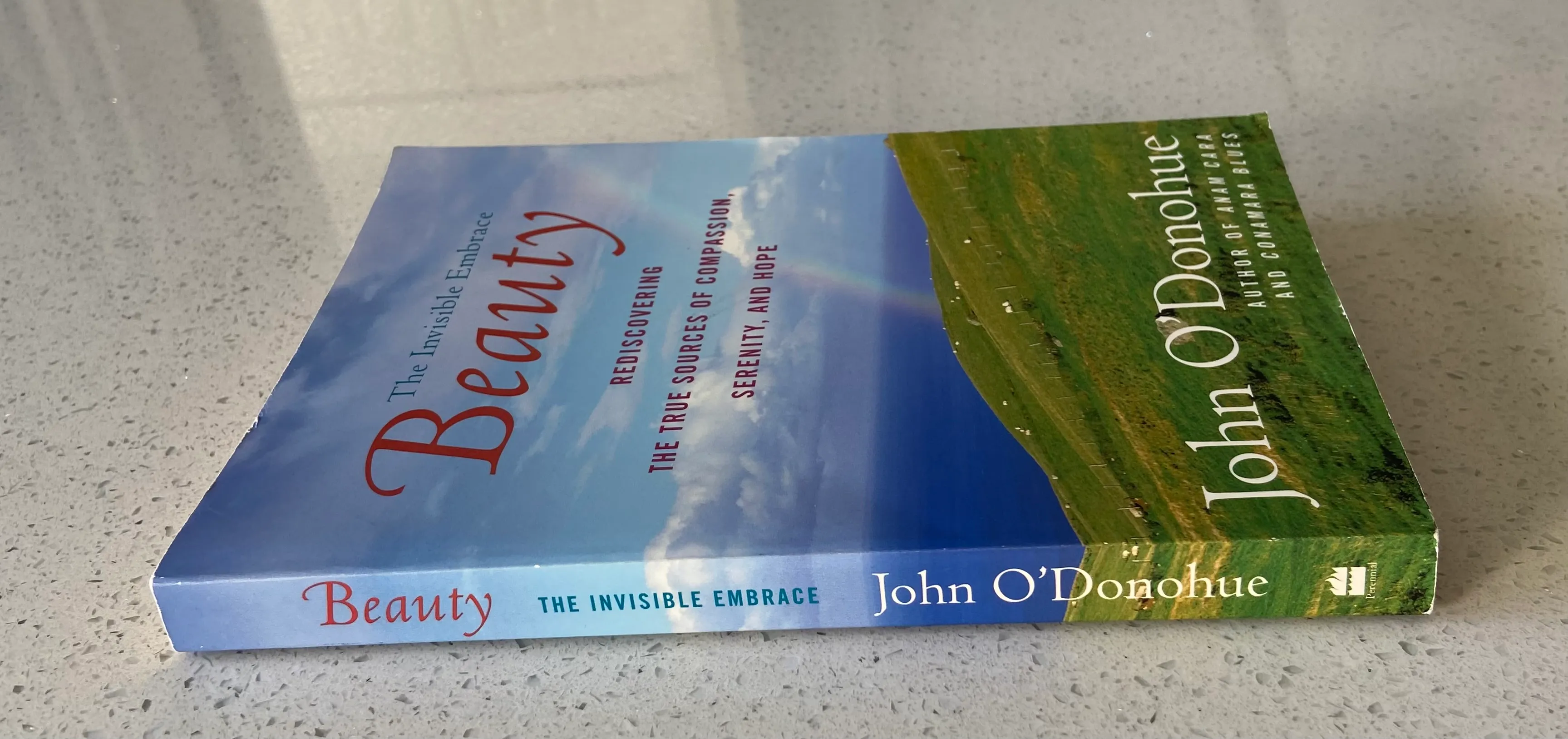
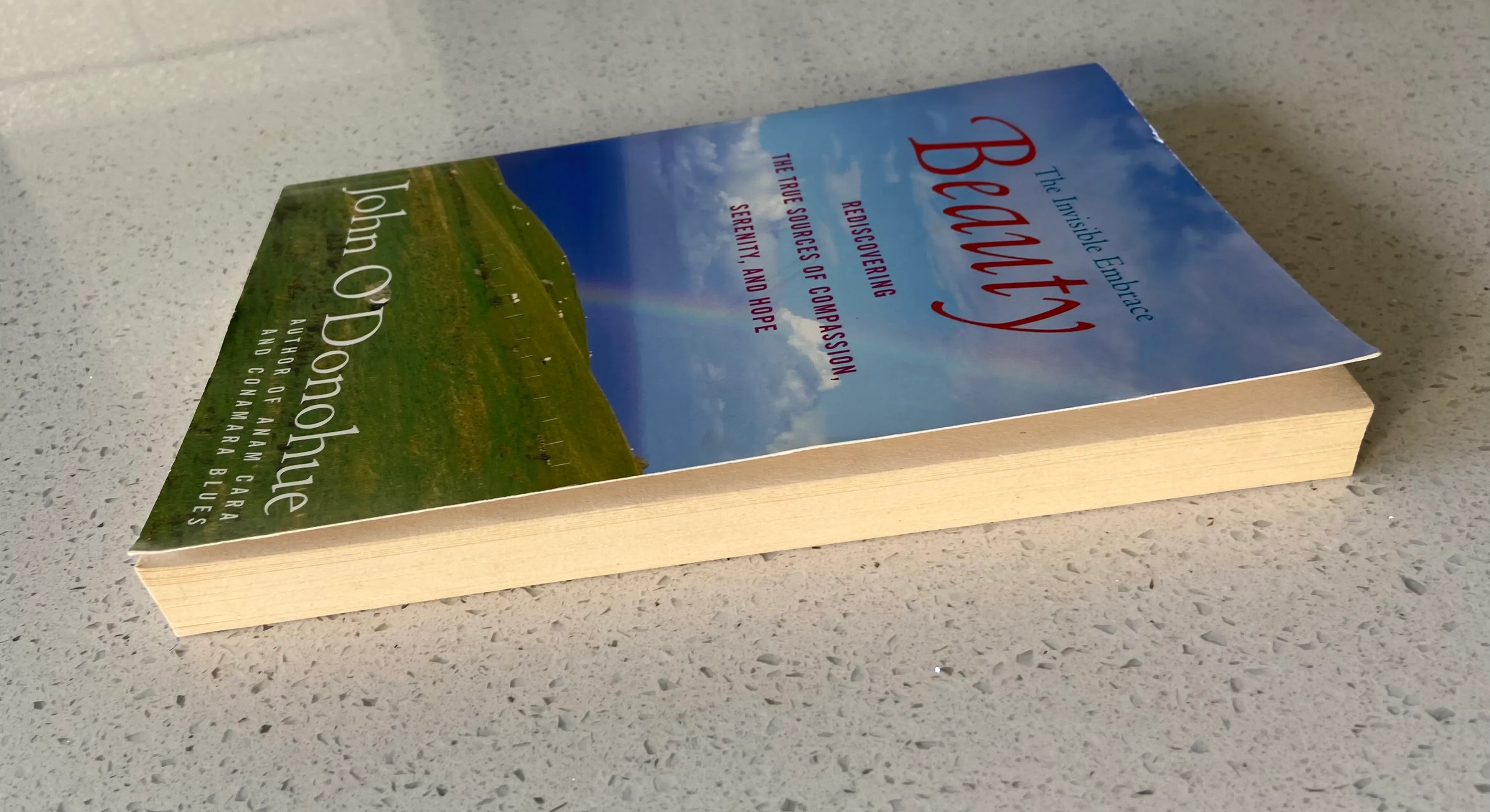
A Perennial first edition trade paperback in fine condition. Covers are clean, square, and free of any soiling or creasing throughout. Spine is uncreased and the pages are bright and clean throughout, completely free of any marks, stamps, or annotations. Binding is firm and tight. A pristine, unread copy in fine condition throughout. Published by Perennial (HarperCollins), New York, in 2005, the first Perennial paperback edition, first printing, of the hardcover first published in the US by HarperCollins in 2004 and originally published in Great Britain as Divine Beauty by Bantam Press in 2003. Beauty: The Invisible Embrace is written by John O'Donohue, Irish poet, philosopher, Catholic priest, and native Irish speaker from the limestone valleys of Connemara in County Clare. The son of a stonemason whom O'Donohue considered the holiest man he ever met, he entered the priesthood at eighteen, earned degrees in English, Philosophy, and Theology at St Patrick's College, and completed his doctorate in philosophical theology at the University of Tübingen on the thought of Georg Wilhelm Friedrich Hegel, before returning to Ireland to begin post-doctoral work on the 13th-century mystic Meister Eckhart. His first published work, Anam Cara: A Book of Celtic Wisdom brought him to international audiences and established him as one of the most original and beloved voices in contemporary spiritual writing. In Beauty: The Invisible Embrace, he meditates on beauty as not ornament but necessity, its presence in landscape, art, the body, memory, and the inner life, drawing on Celtic consciousness, Christian mysticism, Hegel, Eckhart, and the poetry of the natural world. O'Donohue died suddenly in his sleep near Avignon, France, on 4 January 2008, just two days after his 52nd birthday and two months after the publication of his final complete work, Benedictus: A Book of Blessings. His voice, described by one tribute as "painfully aware of human frailty but insistent on the triumphal power of divine love," has no equal.
Award-Winning Fiction
Ireland
Fiction
Ireland
Fiction
Ireland
Philosophy
