Kathrin's Books
Kathrin's Books
BooksCollectionsShippingAbout
Kathrin's Books
Kathrin's Books
© Kathrin's Books
Contact
Privacy
Cookies
Terms

    Collections

    Discover themed book collections.

    Cover
    Cover 2

    Book of the Month — Septemeber

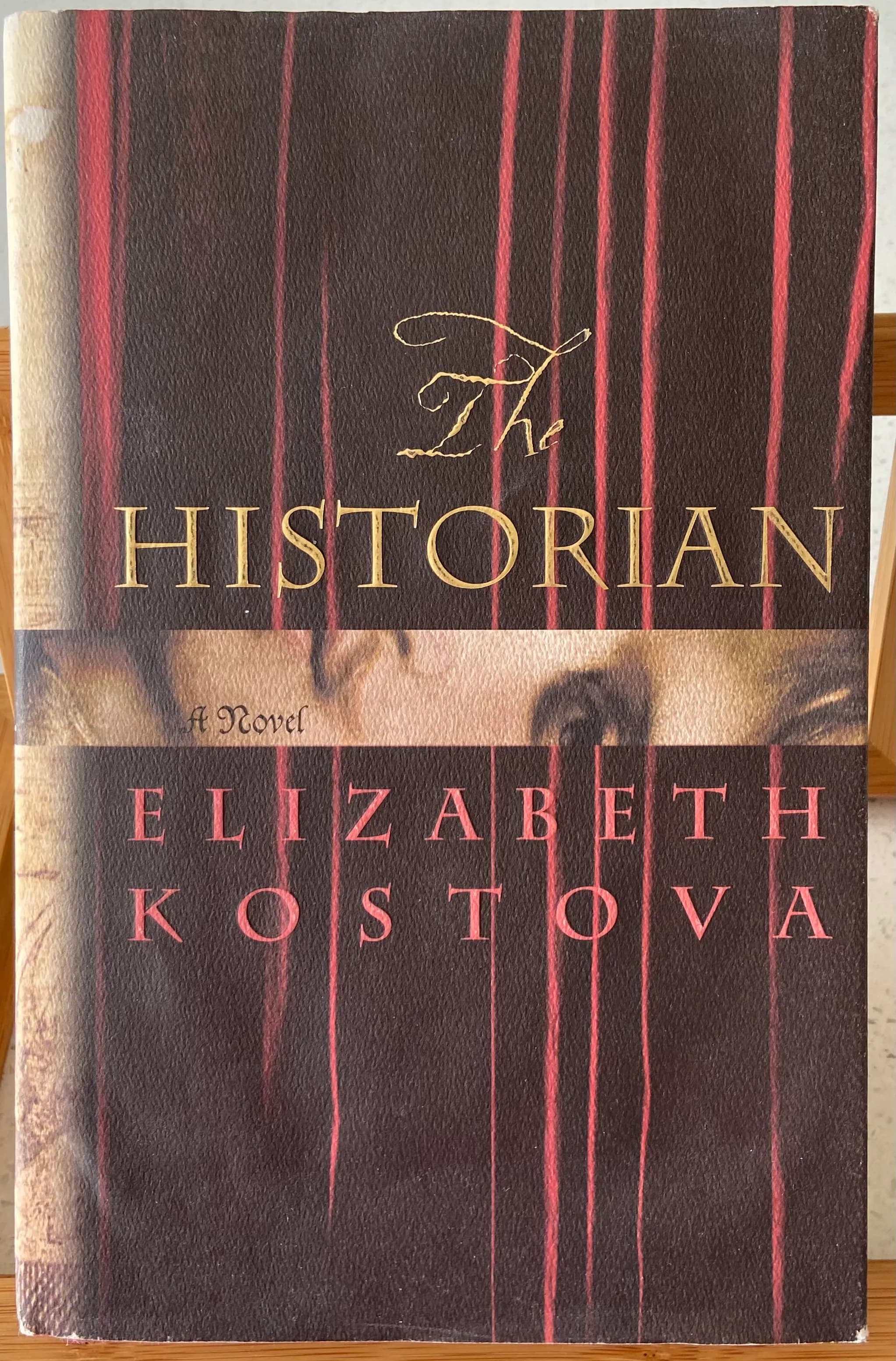
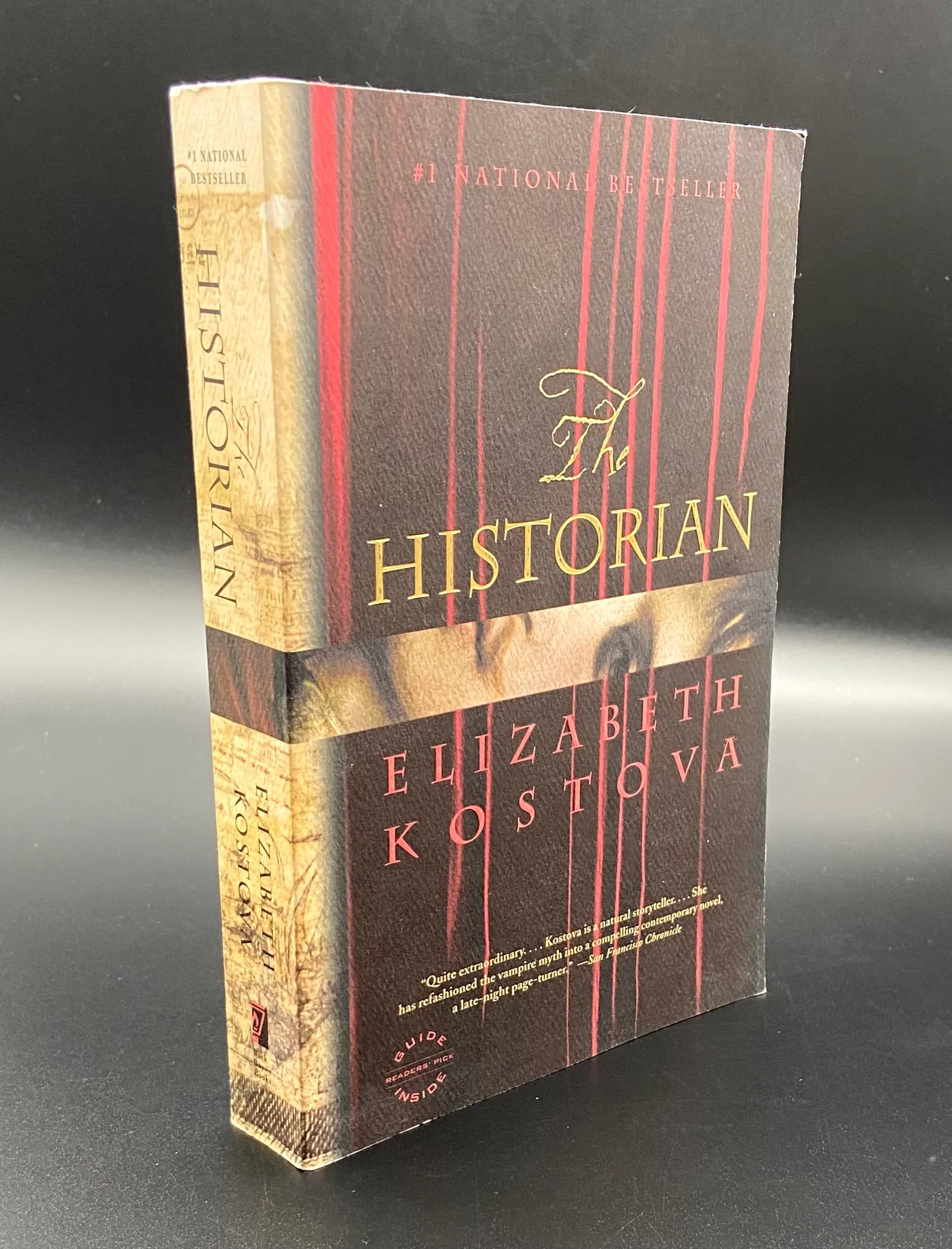
    The Historian by Elizabeth Kostova. The novel sweeps the reader from an orderly English home to the secrets and treasures of Istanbul, through the countryside of Romania, to Budapest and the cities of Bulgaria. Along the way it takes in famous old libraries, ancient monasteries, and personal stories told across different timelines, all converging on the question of what really happened to the historical figure behind the Dracula legend, and whether his story truly ended in the fifteenth century. Rich in historical detail and with a remarkable sense of place, this is an absorbing read for anyone drawn to history, mystery, and the atmosphere of Europe and beyond.

    Cover

    Book of the Month — August

    The Complete Poems of John Milton. The Harvard Classics, Collector's Edition. Paradise Lost is a long poem written in the 1660s by the English poet John Milton. It retells the biblical story of Adam and Eve, and how they lost their perfect life in the Garden of Eden. By the time he wrote it, Milton was blind, so he composed it entirely in his head and dictated all twelve books aloud for others to write down. August feels like a month of reflection, of abundant nature and lush meadows that lead us back to ourselves, and gives us the quiet to sit with the most sacred of poems.

    Cover
    Cover 2

    Book of the Month — July

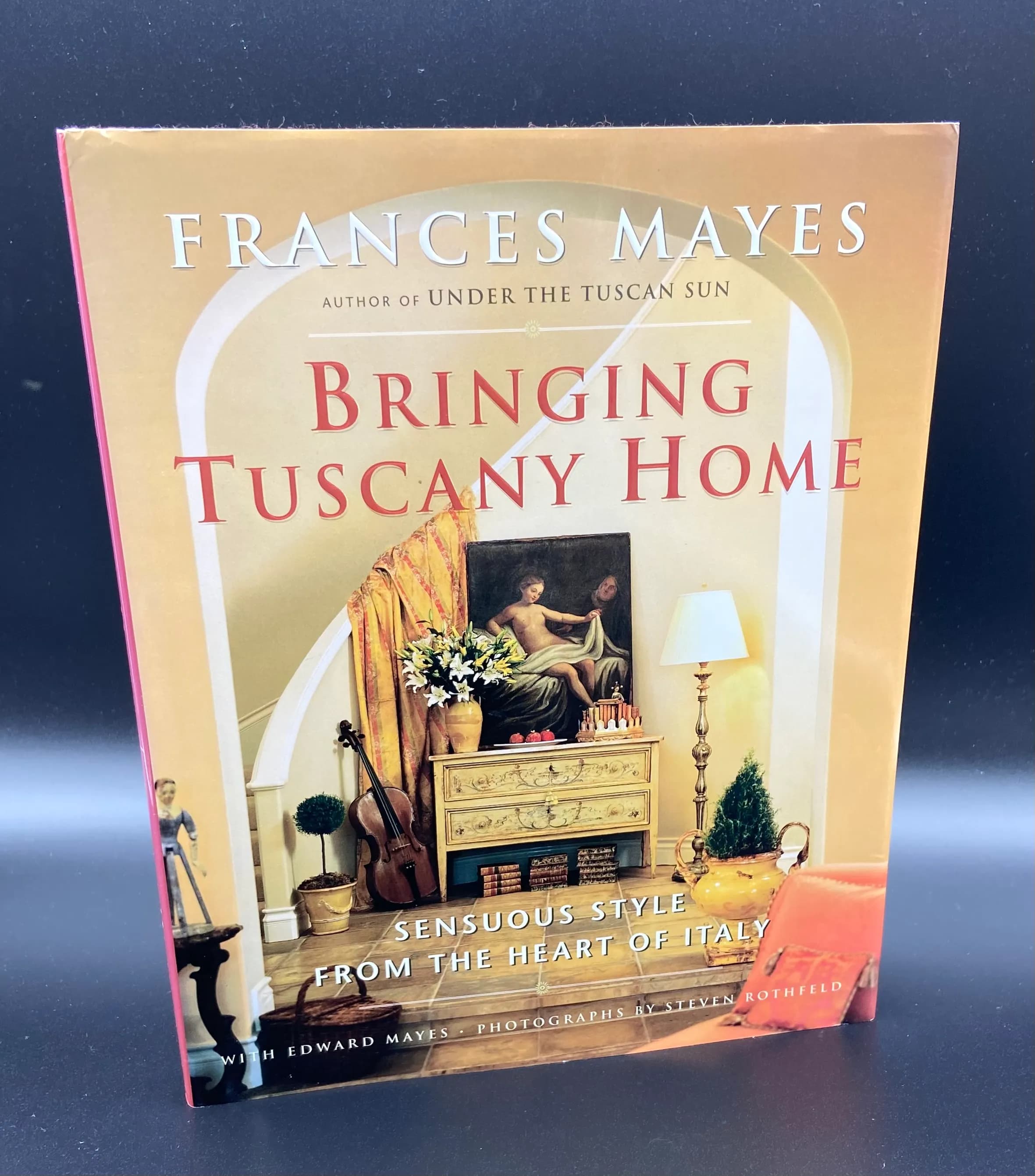
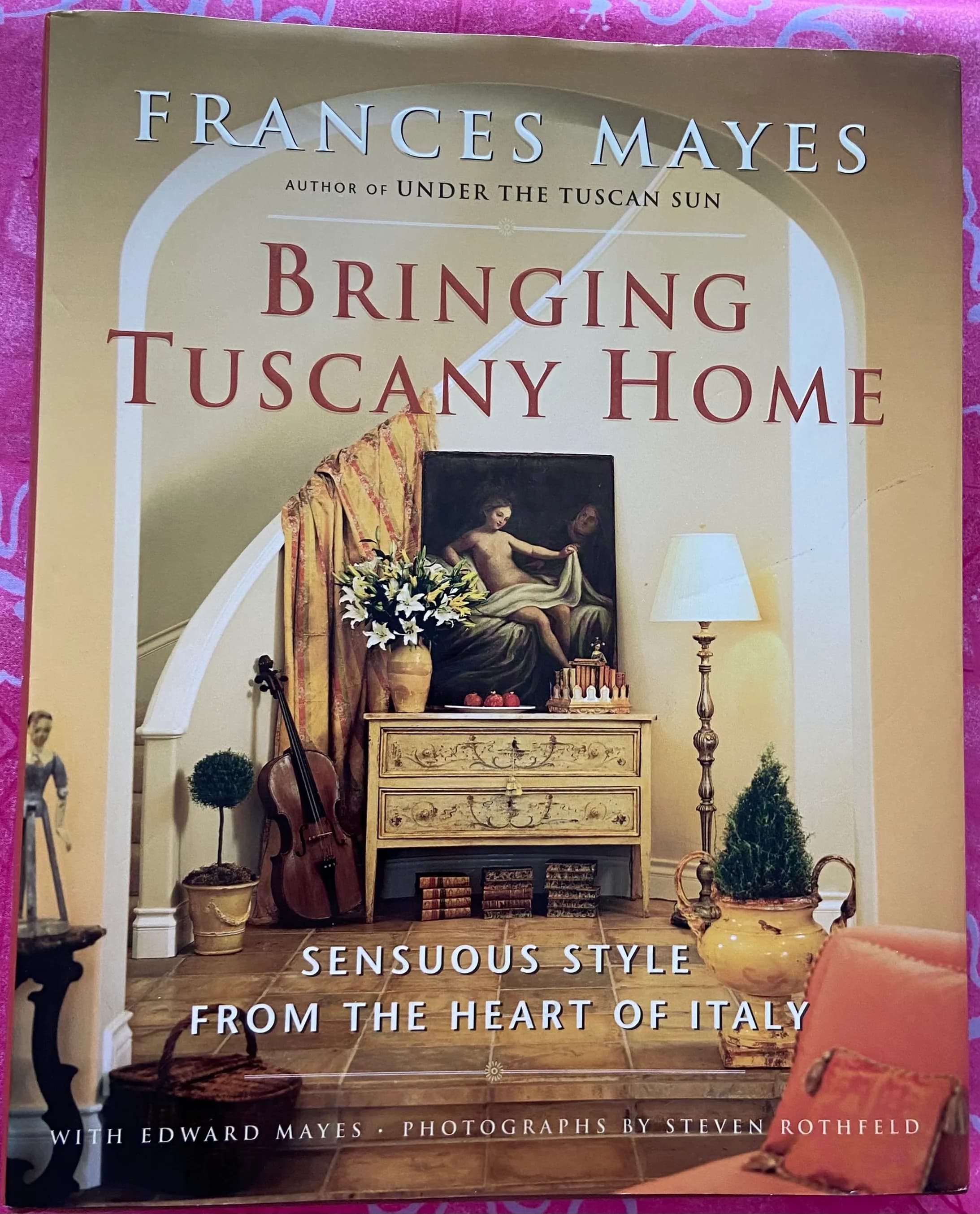
    Whether you are spending the summer in Tuscany or simply dreaming of it, this book brings home the abundance, beauty, and quiet philosophy of Mediterranean life. Like M.F.K. Fisher, Frances and Edward Mayes have a rare gift for making that world feel within reach.

    Cover
    Cover 2

    Books of the Month - June

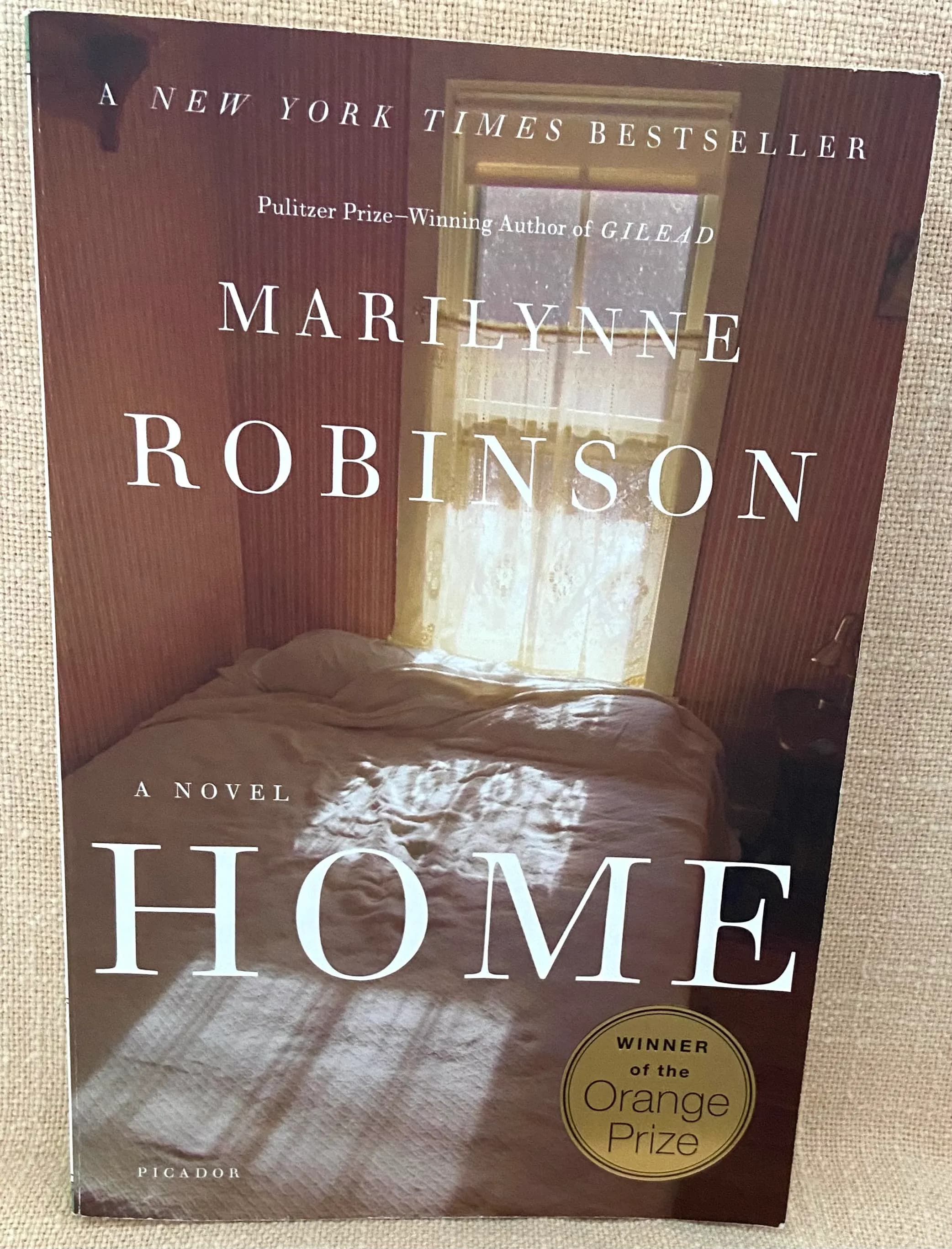
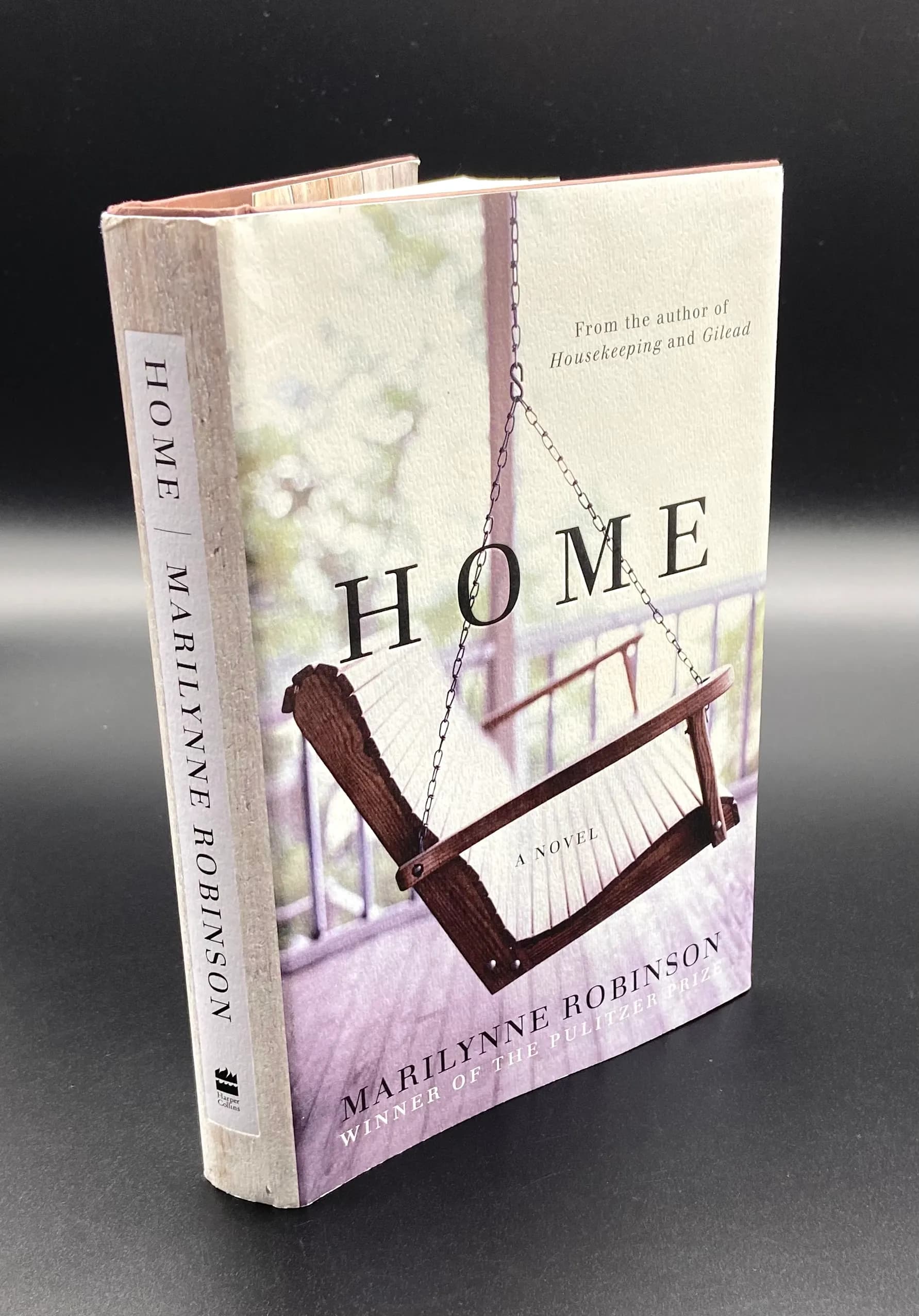
    Home Home is the second novel in Marilynne Robinson's Gilead cycle, companion to Gilead (2004) and predecessor to Lila (2014) — three books that together constitute one of the most quietly extraordinary achievements in contemporary American fiction. Where Gilead is narrated by the aging minister John Ames in letters to his young son, Home unfolds in the same Iowa town at the same moment, but from the inside of the Boughton household next door. Glory, the youngest daughter, has returned to care for her ailing father. Her brother Jack — the family's prodigal, its wound — comes home too, carrying something he cannot yet put down. Robinson writes in a prose of extraordinary stillness. Sentences arrive with the weight of long thought behind them, and the novel's drama is largely interior: a conversation at a kitchen table, a silence at dinner, the way light falls on a familiar room. Faith and doubt are not debated here so much as lived, breathed, and occasionally broken against. The Reverend Boughton loves his children with a completeness that cannot save them, and that gap — between love and its sufficiency — is where the novel lives. Winner of the 2009 Orange Prize for Fiction (now the Women's Prize for Fiction) and the 2008 Los Angeles Times Book Prize, Home has recently gained further attention with the announcement that Martin Scorsese intends to adapt it as a feature film. It is the kind of book that stays with you not as plot but as atmosphere — as a particular quality of light, and of longing.

    Cover

    Books of the Month - May

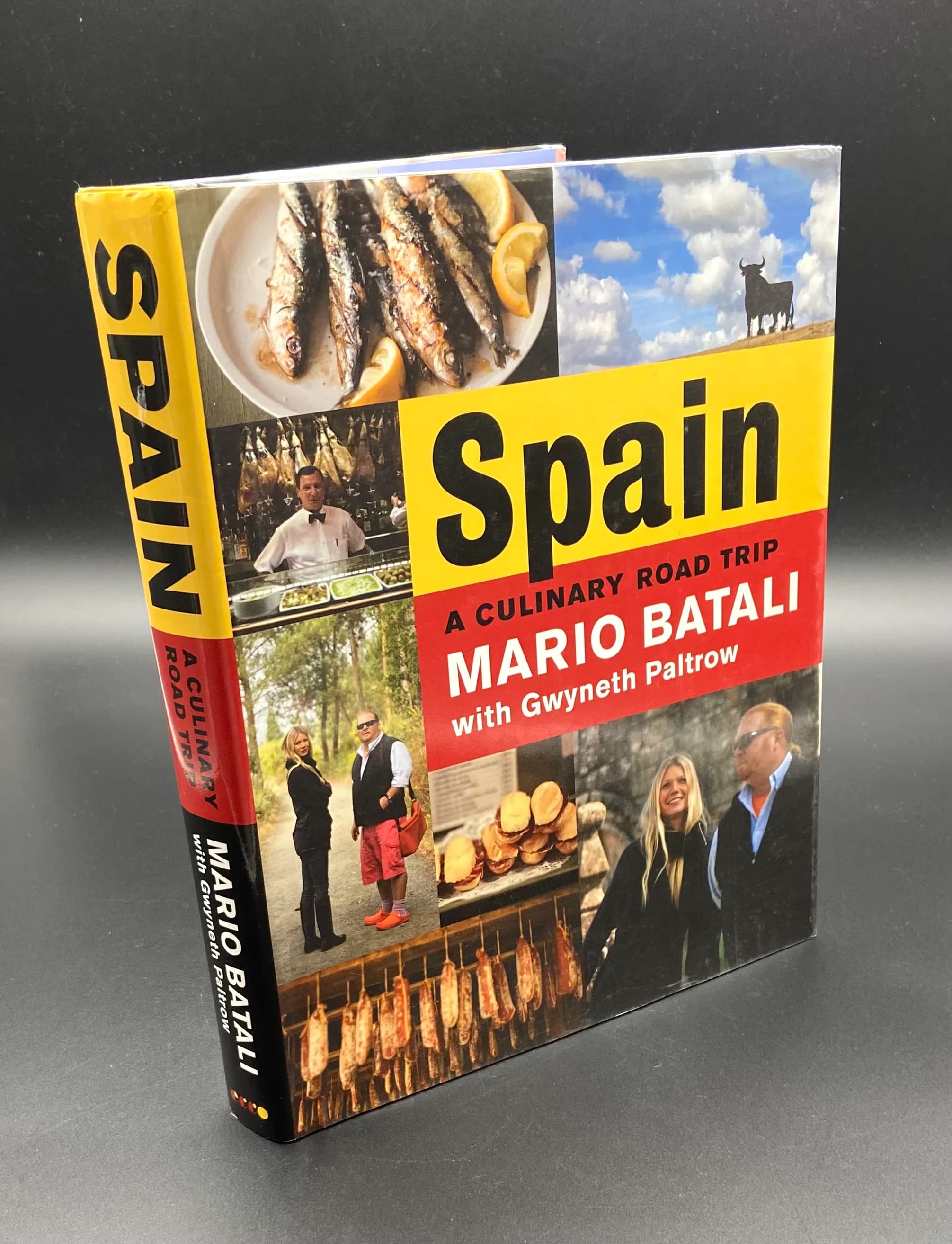
    Spain: A Culinary Road Trip: Whether you are drawn to the allure of Spain or simply enjoy discovering Spanish cuisine from the comfort of home, Spain: A Culinary Road Trip is a feast for the senses. Companion to the PBS television series Spain... On The Road Again, the book follows Mario Batali on an unforgettable eating tour through Spain's diverse regions. Dishes like the signature pineapple with lime and molasses echo the inventive spirit of Ferran Adrià — the celebrated Catalan chef of El Bulli fame on the Costa Brava of northeastern Spain. As with all of Batali's cookbooks, the recipes are approachable yet deeply satisfying. This first edition is a fine choice for cookbook collectors and makes a cherished gift.

    Cover

    Books of the Month - April

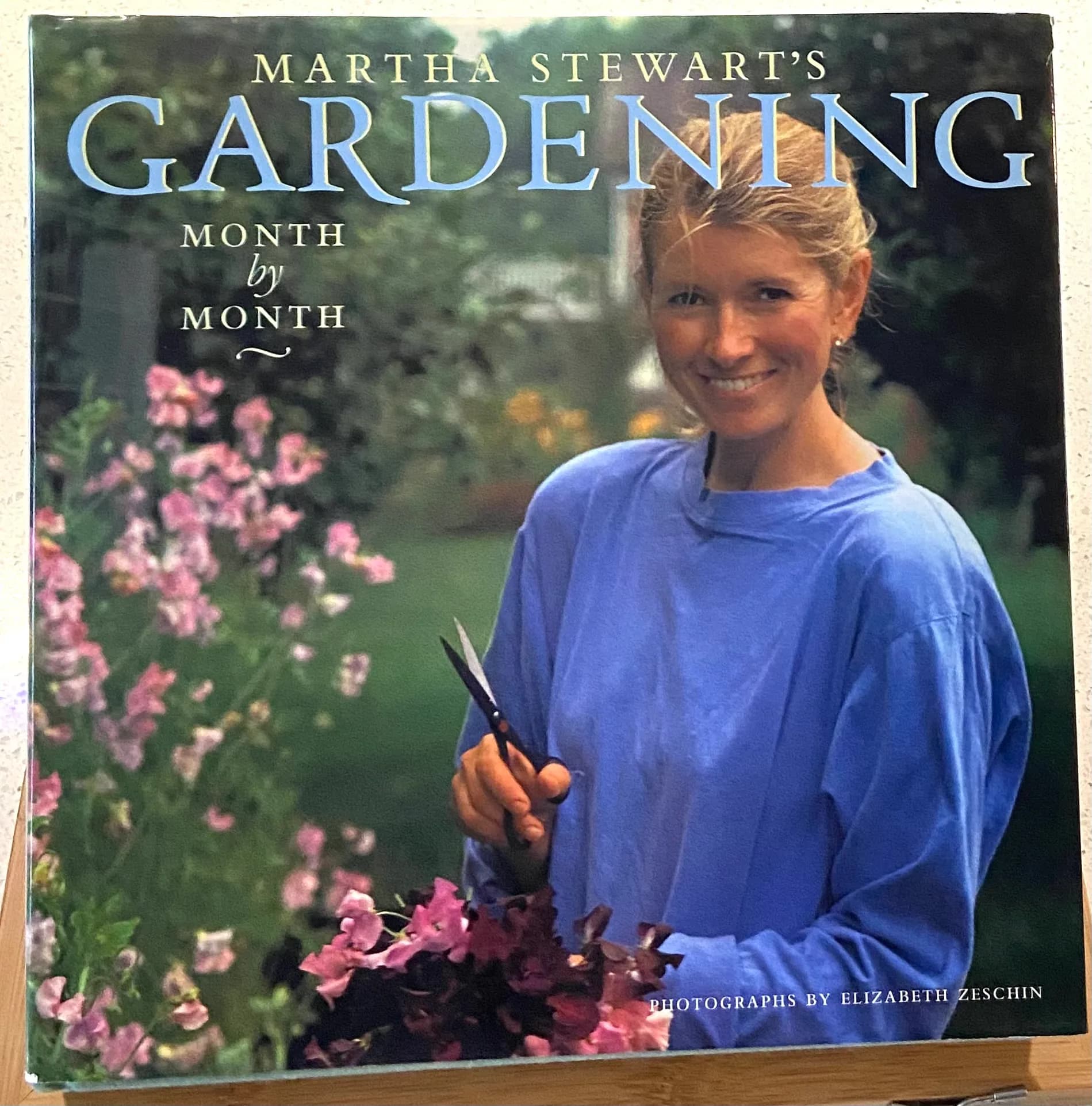
    Martha Stewart's Gardening: Month by Month: A Peak Martha classic, and for many readers, the definitive Martha Stewart book. This lavishly illustrated large-format volume takes readers through the six-acre garden at Stewart's Westport, Connecticut estate month by month. First published in 1991, it remains one of her most beloved and sought-after titles. Martha Stewart's Gardening: Month by Month is filled with photographs of Stewart pruning, raking, and moving through her grounds with characteristic purpose — alongside her beloved dogs, amid the fragrant rows of her herb garden, and among her breathtaking roses. But this is far more than a coffee-table showpiece. It offers heartfelt, solid gardening advice drawn from years of hands-on work. It offers an intimate look into one of the most beautiful — and most personally tended — private gardens in the United States.

    Cover

    Books of the Month - March

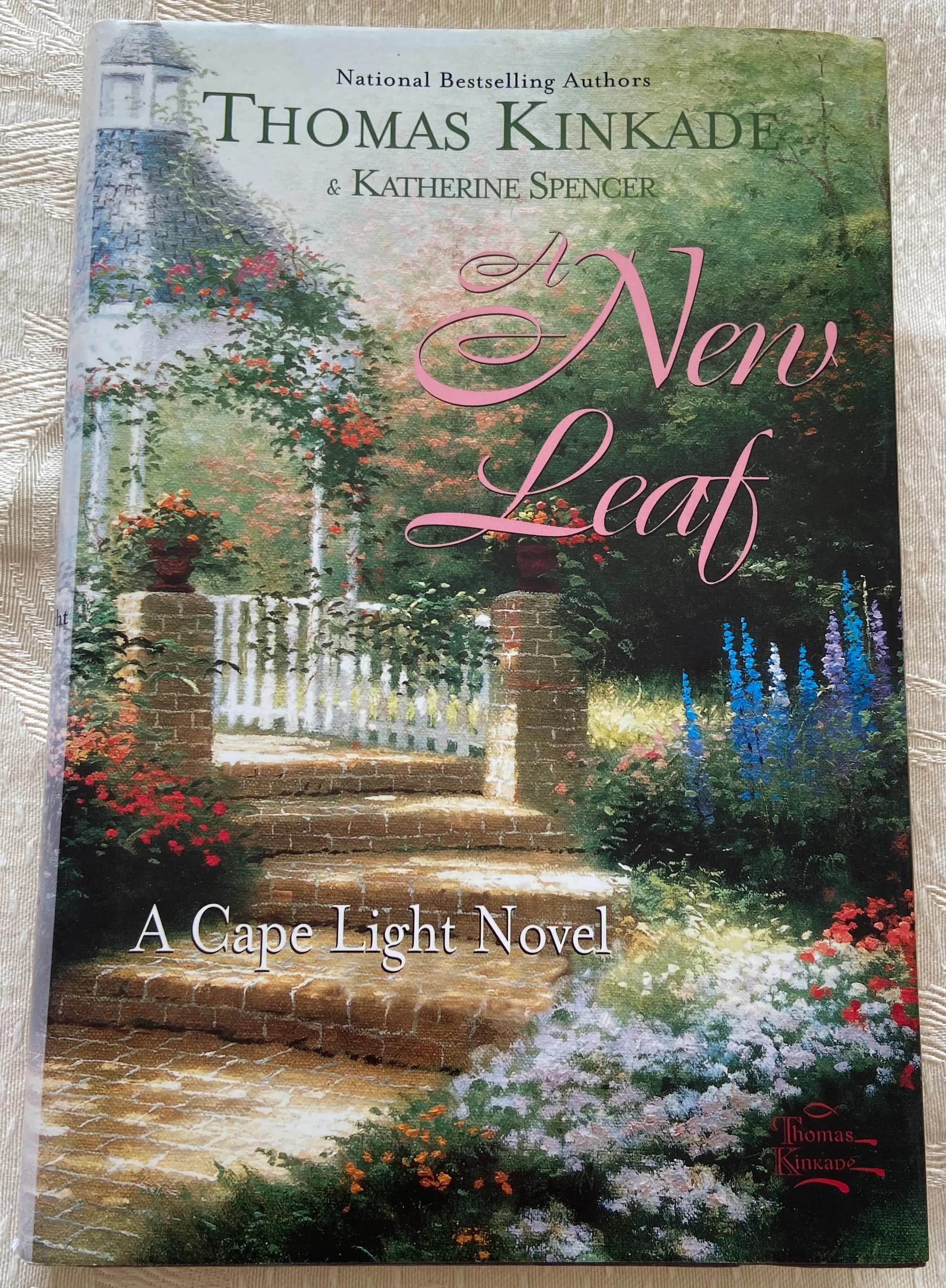
    A New Leaf (Cape Light, Book 4): The new leaf motif is not merely symbolic but foundational, guiding the narrative toward restoration. Renewal is portrayed as active redirection, requiring intentional change and inward resolve. Spiritual overtones gently shape the theme, with hope and light serving as enduring symbols of grace, clarity, and new beginnings. Renewal is presented as both tangible and recurring, affirming that endings may lead to wholeness and that second chances are woven into the fabric of life. In keeping with Thomas Kinkade’s broader tradition of inspirational storytelling, hope emerges as a regenerative force, and light—both literal and metaphorical—illuminates the path toward beginning again.

    Cover

    Books of the Month - February

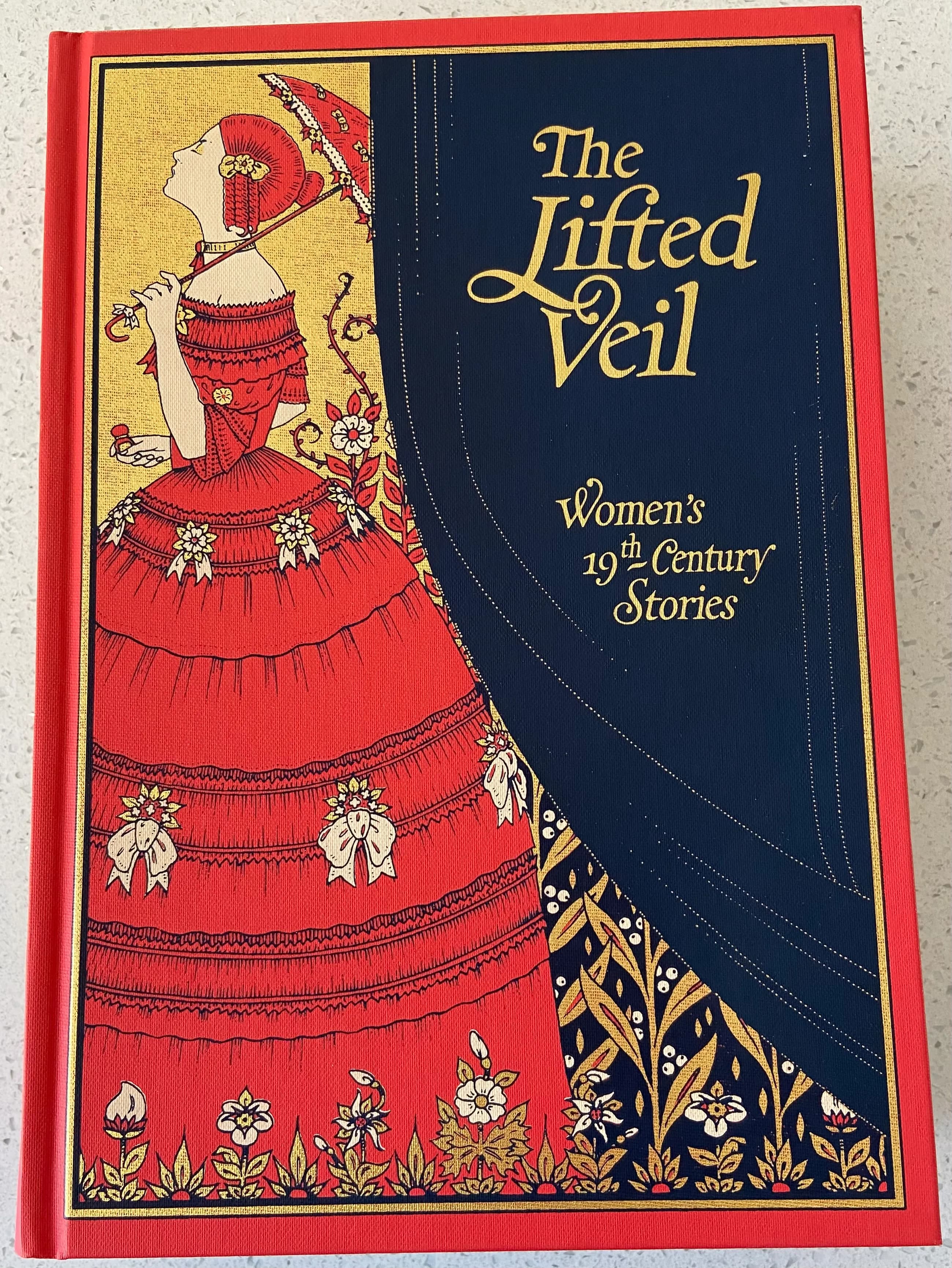
    The Lifted Veil: Women's 19th-Century Stories This beautiful collection of stories unveil how these works, from Britain, America, and beyond, reflect social change and the expanding literary voice of women in the 19th century. The Watsons by Jane Austen — an unfinished tale of family, marriage prospects, and social constraints. Maurice, or the Fisher’s Cot by Mary Shelley — an exploration of human relationships and emotional life. The Green Dwarf by Charlotte Brontë — an imaginative adventure with Gothic overtones. The Grey Woman by Elizabeth Gaskell — a suspenseful narrative of deception and peril. A Whisper in the Dark by Louisa May Alcott — an atmospheric and introspective story. The Lifted Veil by George Eliot — a supernatural-tinged novella concerned with foresight and fate. A Pair of Silk Stockings by Kate Chopin — a modern, ironic look at female desire and independence. The Fatal Marriage by Mary Elizabeth Braddon — dramatic fiction driven by passion and consequence. The Yellow Wallpaper by Charlotte Perkins Gilman — a landmark psychological work addressing mental health and gender roles. The Buddhist Priest’s Wife by Olive Schreiner — a reflective dialogue that subtly interrogates gender norms. Souls Belated by Edith Wharton — a later-century American perspective on ambition and disillusionment. The China Bowl by Charlotte Mew — a poignant meditation on family, loss, and change. This edition is as much a work of art as it is a book, featuring exquisite bindings, illustrations, and typography that make it stand out on any shelf. Its beauty is intended to celebrate both the stories and the physical book itself.

    Cover
    Cover 2
    Cover 3
    Cover 4

    Thomas Kinkade

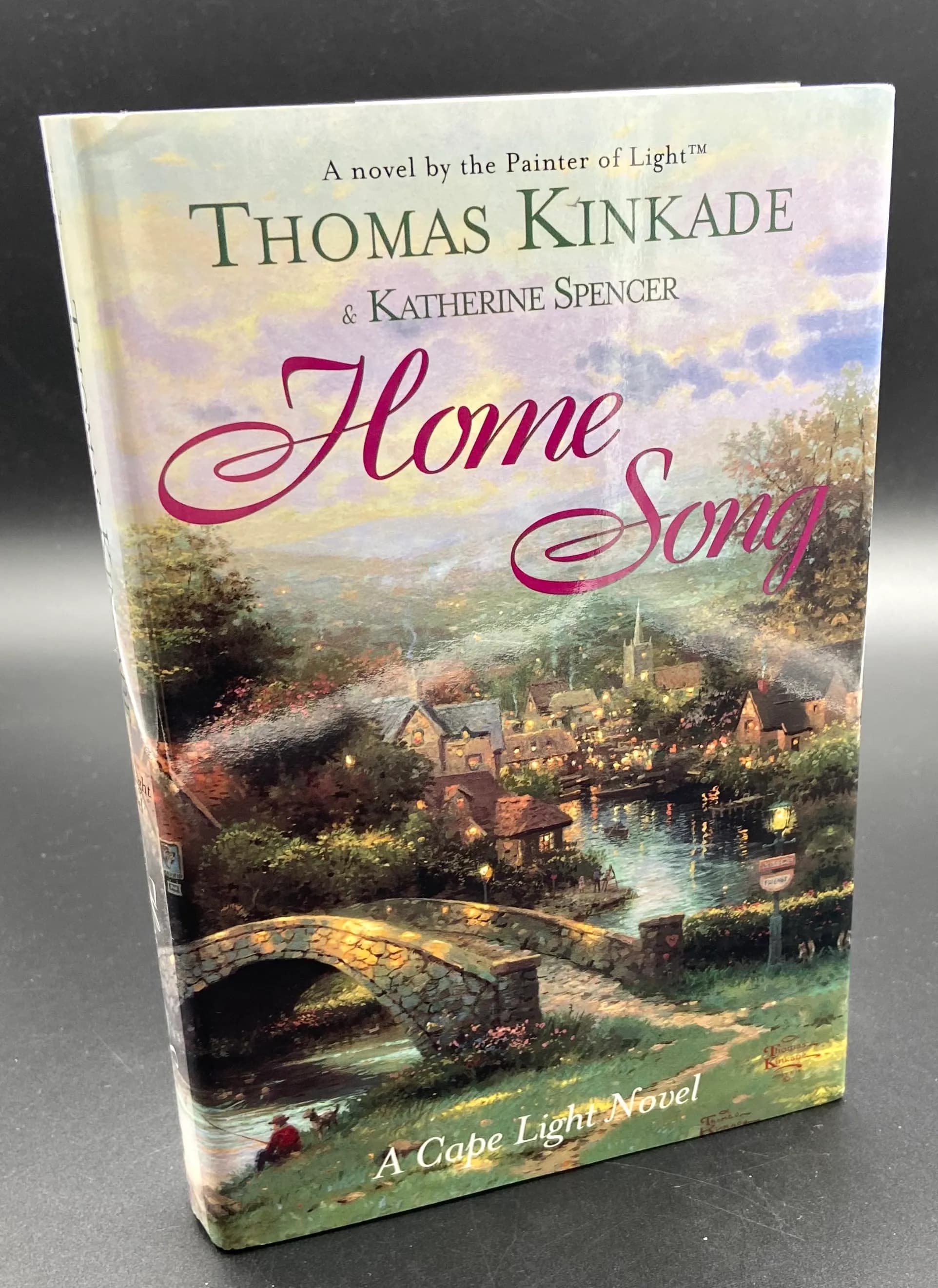
    Thomas Kinkade’s books are wonderful works of fiction, co-written with Katherine Spencer. This collection features titles from the Cape Light series and the Angel Island series.

    Cover
    Cover 2
    Cover 3

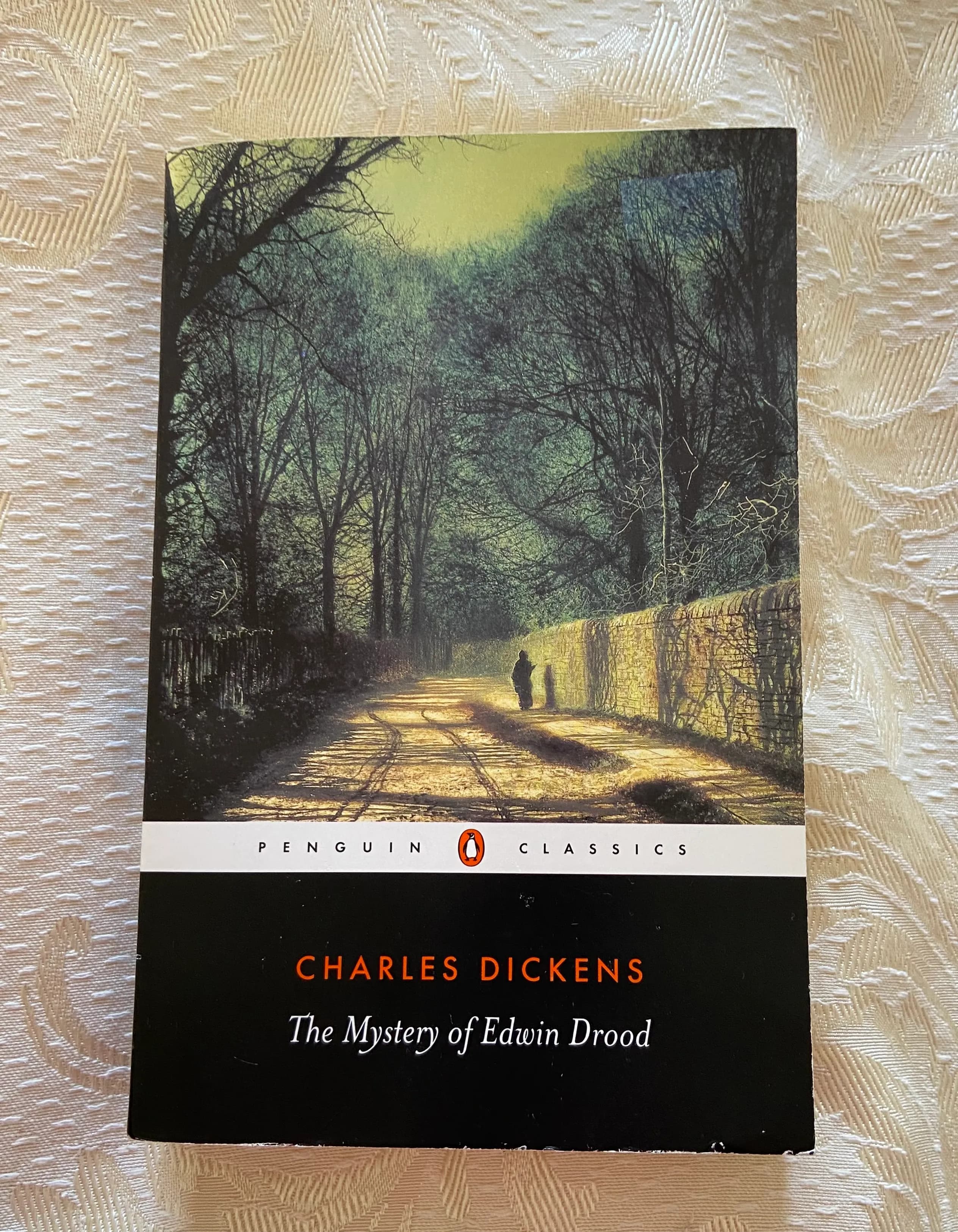
    An Unfinished Novel

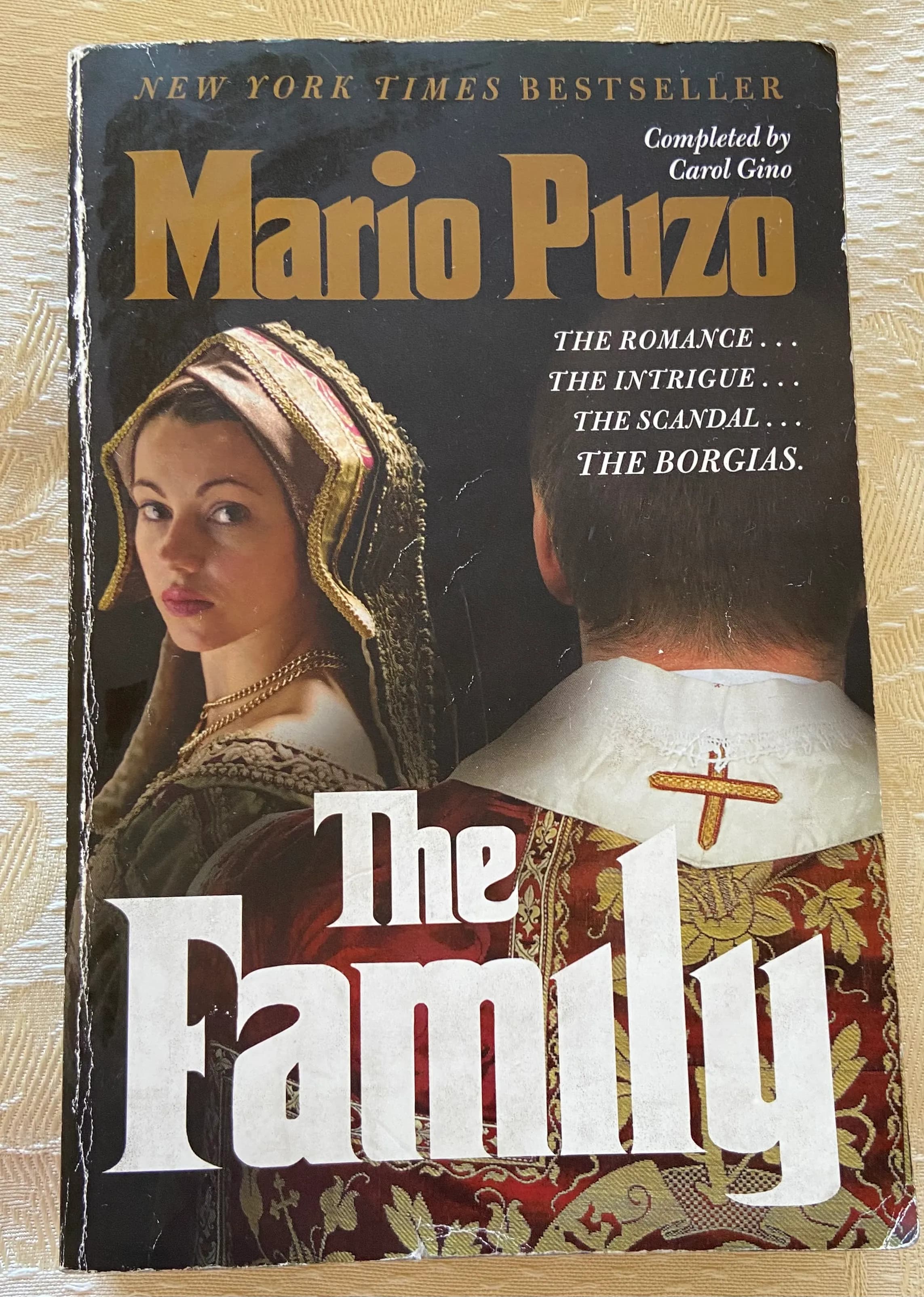
    Unfinished novels occupy a unique place in literary history. Left incomplete by their authors—often due to illness or untimely death—these works offer a compelling glimpse into a story still in motion. Readers encounter fully realized characters and themes, yet also the open spaces of what might have been. Editorial notes, outlines, and surviving drafts often accompany such texts, providing valuable insight into the author’s creative process. Though incomplete, these novels remain important literary artifacts, appreciated both for their artistry and for the poignant sense of a final work forever in progress.

    Page 1 of 3